How to Describe People in English — Appearance, Personality and Tact
The word order nobody teaches, the difference between slim and skinny, and which descriptions are fine to say out loud.
Victoria C.
Methodology lead, English Era Studio

Describing a person comes up constantly — telling a friend who you met, giving a description to someone waiting at a station, answering a speaking-exam question. And it's one of those areas where learners know plenty of words and still produce sentences that land oddly.
Usually for three reasons: the adjectives are in the wrong order, the word chosen is the unkind one of a pair, or the description is accurate and shouldn't have been said at all.
Adjective order — the invisible rule
Native speakers never learn this and never break it. English orders adjectives by category:
opinion → size → age → shape → colour → origin → material → purpose
So:
- a lovely tall young woman ✓
- a young tall lovely woman ✗
Nobody can explain why the second is wrong; everybody hears it. For describing people you mostly need the first half:
- a tall, slim woman in her thirties
- a short older man with grey hair
- a friendly young guy with glasses
Comma tip: adjectives from different categories don't take a comma (a tall young man), same category does (a tall, slim man). If you're unsure, fewer commas sounds more natural.
Height and build — where tact lives
This is the table to actually learn, because the words come in pairs with very different temperatures.
| Quality | Kinder | Unkind |
|---|---|---|
| Thin | slim, slender | skinny, scrawny |
| Heavy | well-built, curvy, large | fat, overweight |
| Short | petite (women), not very tall | tiny, short (bluntly) |
| Thin and fit | lean, athletic | bony |
| Age | older, in his sixties | old, elderly |
"Fat" is the one to be careful with. It's a plain descriptive word in many languages and a genuine insult in English. Don't use it about a person, even neutrally, even about someone not present. If you need to describe build, use large, big, heavy-set, or simply describe something else about them.
"Skinny" is milder but still not a compliment. Slim is.
For age, English prefers vagueness: in her twenties, middle-aged, about my age, a bit older than me. A precise guess sounds strange, and a wrong one is awkward.
Hair, eyes and face
- Hair colour: blonde, fair, light brown, dark, black, red (never orange), grey, silver, dyed
- Hair length and style: shoulder-length, cropped, shaved, a buzz cut, in a bun, in a ponytail, braided, curly, wavy, straight, frizzy
- Facial hair: a beard, a moustache, stubble, clean-shaven
- Eyes: blue, green, brown, hazel, dark; deep-set, wide
- Other: freckles, dimples, a scar, glasses, a nose ring, tattoos
Structures that carry most descriptions:
- She's got long dark hair. (has got is the everyday form in British English)
- He's wearing a blue jacket.
- She's the one with the glasses.
- He looks a bit like my brother.
"She's the one with…" is the single most useful structure here. When you're picking someone out of a group, English reaches for one distinguishing feature, not a full portrait.
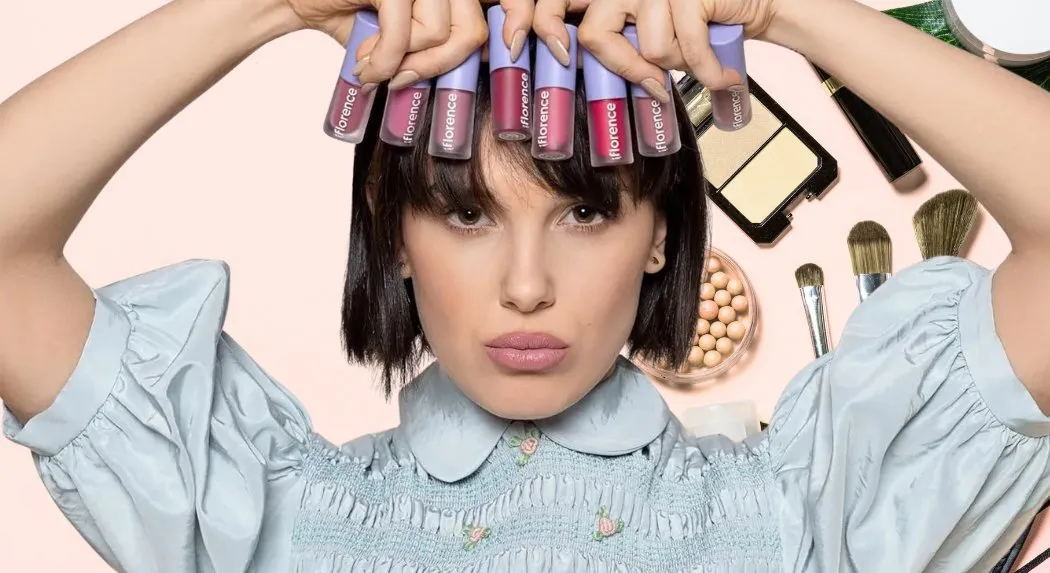
Makeup, hair and getting-ready vocabulary is its own small world — and genuinely useful, since a huge share of what people watch online is exactly this. Millie Bobby Brown's 10-Minute Makeup Routine covers it at B1–B2.
Personality
Here the trap is different: most personality adjectives have a near-synonym with the opposite feeling attached.
| Positive | Neutral | Negative |
|---|---|---|
| confident | self-assured | arrogant |
| determined | firm | stubborn |
| careful | cautious | fussy |
| relaxed | easy-going | lazy |
| honest | direct | blunt |
| friendly | outgoing | over-familiar |
| generous | free with money | extravagant |
| quiet | reserved | cold |
The same person can be determined or stubborn depending entirely on how you feel about them. Choosing between them is the actual skill.
Useful softeners when the description isn't flattering:
- He can be a bit blunt.
- She's quite reserved until you know her.
- He's lovely, just very particular about things.
"Can be a bit" is the standard English way to criticise gently. She can be a bit sharp is a complaint; she is sharp is an accusation.
What not to say
Descriptions that are normal in some cultures and uncomfortable in most English-speaking ones:
- Anyone's weight, to their face or otherwise
- Skin colour as a casual descriptor when something else would do
- Someone's age, guessed out loud
- Comments on how tired, unwell or older someone looks — you look tired is heard as you look bad
- Physical features connected to ethnicity
The safe habit: describe clothes, position or action rather than bodies. The woman in the red coat, the guy by the window, the one who just came in. It's what native speakers do by default, and it's never awkward.
Describing yourself
The version you'll need most, and the one people find hardest — English dislikes both boasting and excessive modesty.
- I'd say I'm fairly outgoing.
- People tell me I'm organised.
- I'm quite patient, most of the time.
- I tend to overthink things.
"I'd say…" and "People tell me…" are the standard hedges. They let you make a positive claim without it sounding like a boast, which is exactly the tone an interview or a first meeting wants. Talk About Yourself is built around this at A1.
Common questions
What order do adjectives go in when describing someone?
Opinion, then size, age, shape and colour: "a lovely tall young woman", never "a young tall lovely woman". Native speakers never learn this rule but always hear when it's broken.
What's the difference between slim, thin and skinny?
"Slim" is a compliment, "thin" is neutral, "skinny" is mildly unkind. The pairing matters more than the dictionary meaning — most build adjectives come in kind and unkind versions.
Is it rude to call someone fat in English?
Yes. It's a plain descriptive word in many languages and a real insult in English, even used neutrally about someone not present. Use "large", "big" or "heavy-set", or describe something else entirely.
How do I describe someone without being offensive?
Describe clothes, position or action instead of bodies: "the woman in the red coat", "the guy by the window", "the one who just came in". That's what native speakers do by default, and it avoids weight, age, skin colour and anything tied to ethnicity.
How do I describe my own personality in an interview?
Hedge the claim: "I'd say I'm fairly organised" or "people tell me I'm patient". English dislikes both boasting and heavy modesty, and these openers let you make a positive statement without it sounding like either.
Where to start
Describing People's Appearance is the B1 course built on exactly this vocabulary, including the pairs where one word is kind and the other isn't.
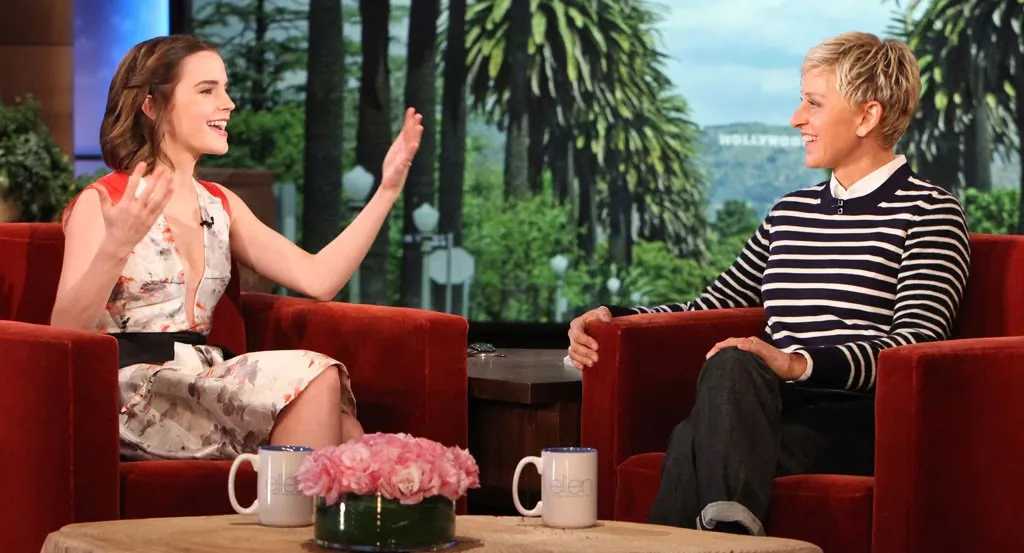
Talk About Yourself covers describing your own character at A1, Dating Culture with Emma Watson takes it into how people describe attraction and personality at B1, and Millie Bobby Brown's 10-Minute Makeup Routine covers the hair, face and beauty vocabulary in detail.
Practise this
Turn this into actual practice
Reading about English is a start. These mini-courses make you use it — with exercises that check your answers as you go.

Keep reading
- English for Stress, Rest and Overthinking — Talking About How You FeelThe vocabulary for burnout, worry and rest, plus what to say when someone else is struggling — the conversation most learners have never practised.
- Small Talk in English — What to Say When There's Nothing to SayThe topics that are safe, the ones that aren't, why British people really talk about weather, and how to end a conversation without escaping.
- English for Science, Space and the Environment — The Words Behind the HeadlinesThe vocabulary that runs through every documentary, climate report and space story — and the small set of structures for saying how certain something is.